About One Childhood
One Childhood is a community-led initiative dedicated to raising awareness and promoting child protection against all forms of violence. It was founded by Maria Emad in 2019 and supported by a passionate team, the initiative has since reached children across the Middle East, the United Kingdom, and Canada.
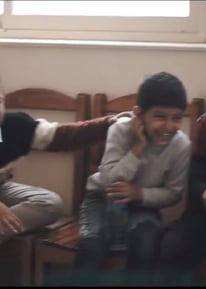
Our Vision and Mission
Our Vision: A world of safe communities where fearless hearts are nurtured, and love prevails.
Our Mission: Empower both children and communities to stand against abuse and violence. To achieve this, our work is rooted in two core pillars: prevention and intervention.
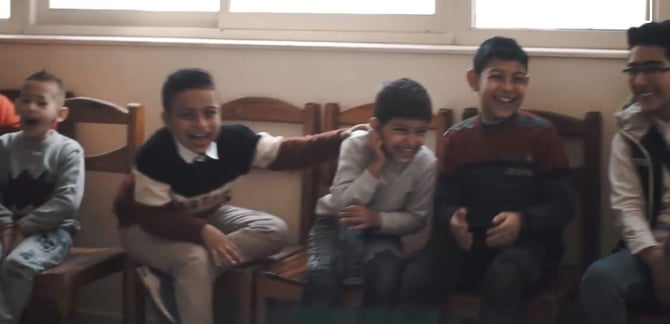
Prevention efforts focus on participatory workshops that cover topics such as self-awareness, body autonomy, and violence prevention—delivered in culturally sensitive and age-appropriate ways. On the intervention side, we provide individual and group psychosocial support to help children process trauma, regain a sense of control, and build emotional resilience.
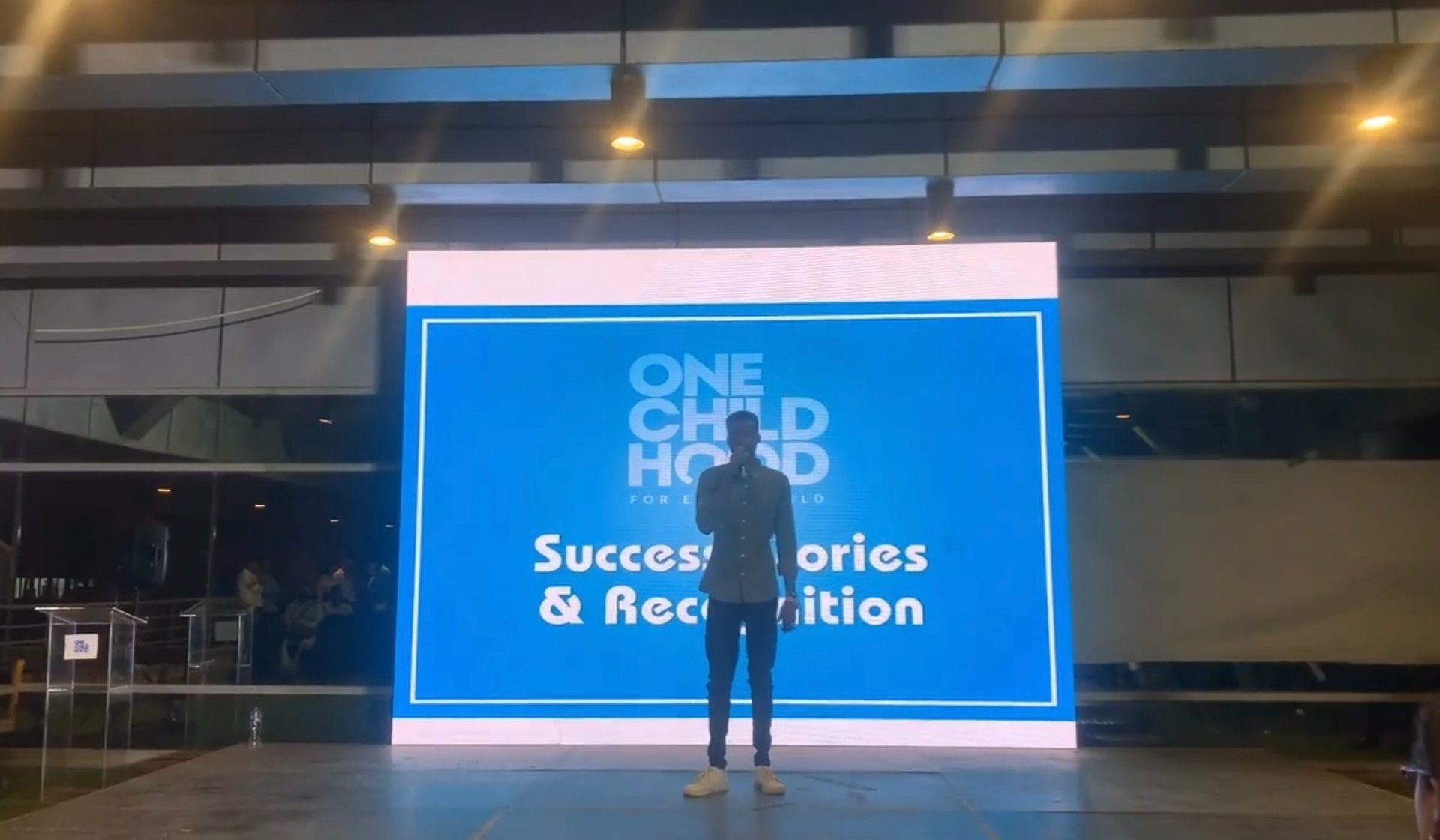
Explore Our Programs
Empowering Communities Through Volunteerism
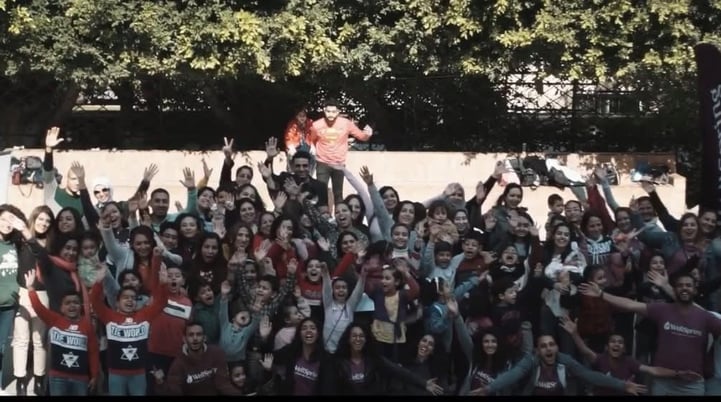
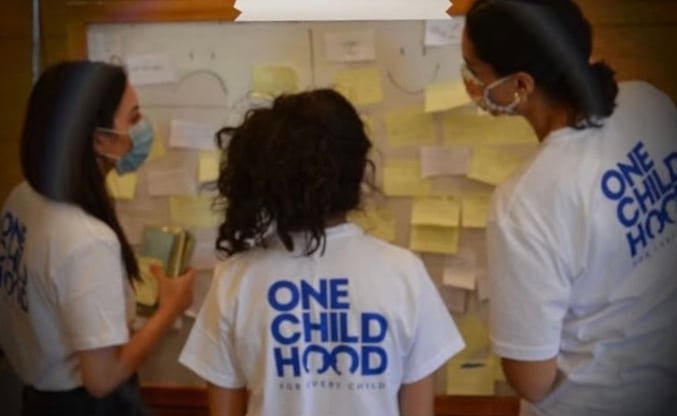
Over the years, we have trained more than 100 volunteers who have positively impacted the lives of over 1,300 children and adolescents, and 10,000 adults in our community.
150+
15
100+ Volunteers
10k Adults
Our Partners
One Childhood previously served as an implementation partner for various UN agencies, international and local NGOs, and private sector entities.






Contact Us
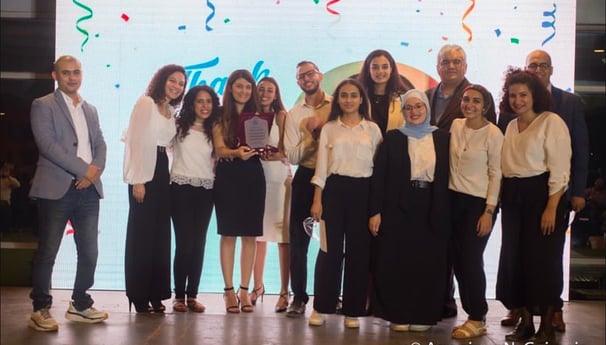
Reach out to us to learn more about our initiatives and how you can support child protection.